
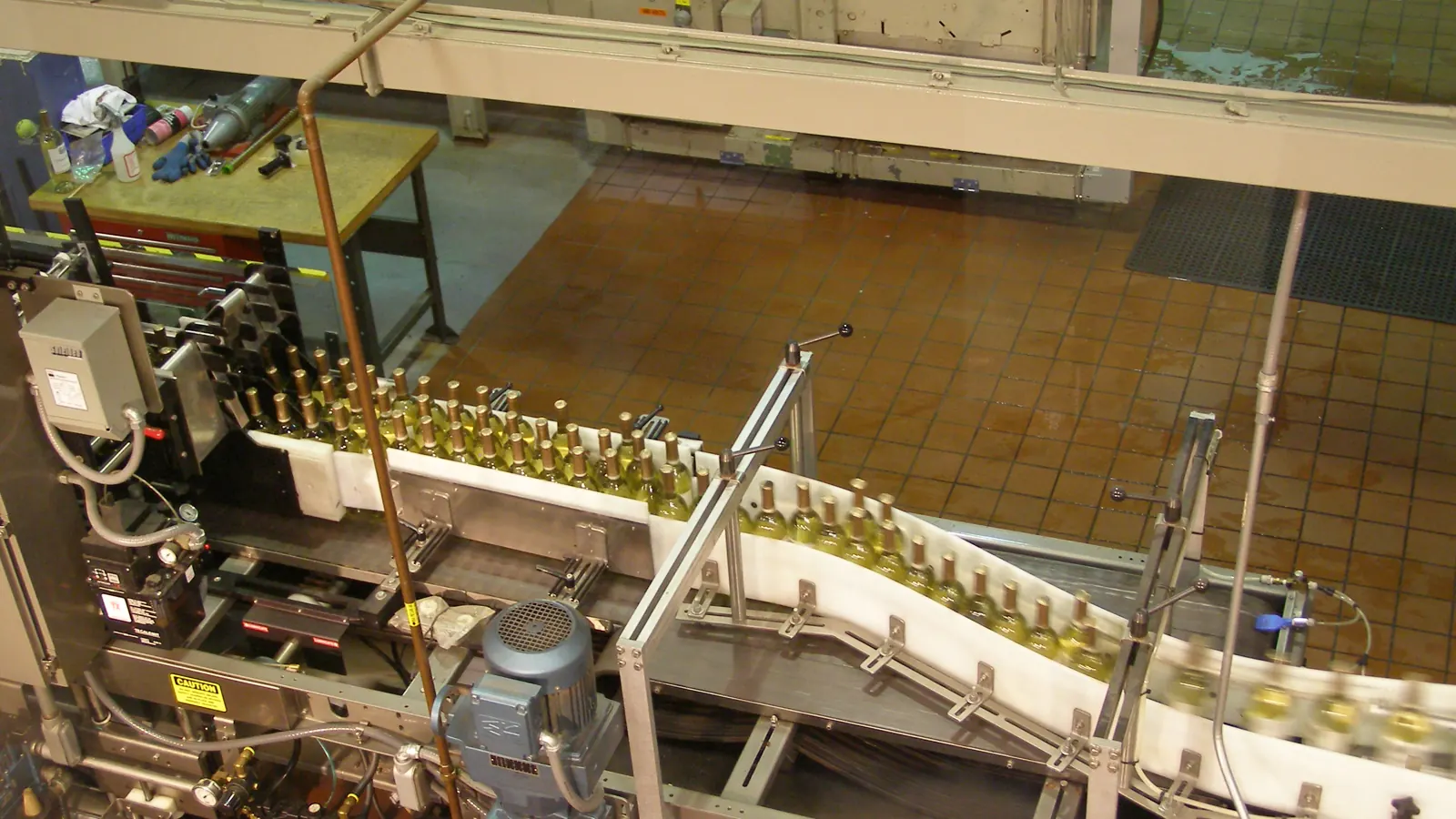
Manual inspection misses drift, fatigues, and samples. AI vision checks every unit. What changes, what doesn't, and how to decide which checks to automate first.
The limits of the human eye on a fast line
A trained inspector is excellent at judging an unusual defect, but a line running a few units per second is not a fair test of attention. Inspectors sample — a handful of units every so often — and sampling has a blind spot: a labeller that slips out of position between checks can produce thousands of bad units before anyone looks. Attention also falls over a shift, and two inspectors rarely draw the pass/fail line in exactly the same place.
What automation changes
A camera with an AI model looks at every unit, applies the same criteria at 3 a.m. as at 9 a.m., and keeps a record. That record is the underrated part: reject rates per hour, per shift, and per product turn quality from an end-of-day report into a live signal. When five skewed labels appear in ten minutes, a supervisor can be alerted while the problem is still small.
- Coverage: every unit instead of a sample.
- Consistency: one definition of a defect across shifts and sites.
- Evidence: a frame for every reject, useful for audits and supplier disputes.
- Speed of response: trends and alerts while the line is still running.
What it does not change
A camera only sees the outside of a product in the light you give it. It will not measure torque, weigh contents, or find a leak in a seal that looks perfect. Someone still has to decide what a defect is, handle rejects, and fix the machine that caused them. In most plants inspectors move to those jobs rather than disappearing — which is why our ROI calculator asks what share of inspection you actually expect to automate.
Which checks to automate first
Rank your checks by three questions: is the defect visible from outside, does it happen on a high-volume line, and does it cost you money when it escapes? Label presence and placement, missing caps, and date codes usually score highest. Subtle surface defects and dimensional checks come next and need more careful optics. Use the resolution calculator to see whether your smallest defect is realistic at the field of view you need.
Related on simatlabs.com
Have a problem a camera could solve?
Describe it, add a photo, and get a free first read on whether AI vision can handle it.